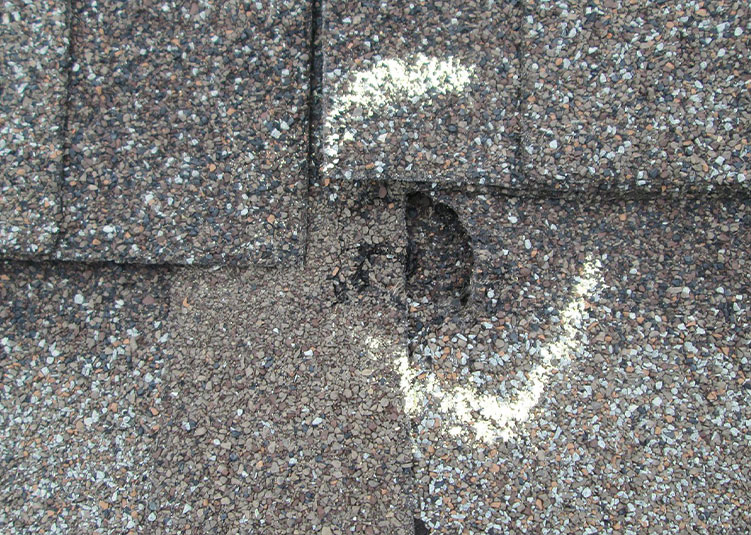
After a hailstorm rolls through, many homeowners step outside, look around the yard, and assume everything is fine if they don’t see obvious destruction. But when it comes to your roof, hail damage is often difficult to spot from the ground—and waiting too long can turn a small issue into an expensive problem.
Even minor hail damage can weaken shingles, expose your roof to moisture, and shorten the lifespan of your roofing system. The tricky part? Damage isn’t always obvious right away.
If you’ve recently experienced a storm, here’s how to tell if your roof may have hail damage and when it’s time to call a professional roofing contractor.
Hail doesn’t have to be baseball-sized to damage a roof. Even smaller hail can wear down shingles over time, especially when paired with high winds.
When hail strikes your roof, it can:
The problem is that many homeowners don’t realize there is damage until they begin seeing leaks inside the home. By then, repairs can become much more expensive.
You should never climb onto your roof after a storm. Instead, start by looking for warning signs around your property.
Take a look at your gutters, metal flashing, mailbox, AC unit, or outdoor furniture. If you notice dents or dings, there’s a good chance your roof was impacted too.
Metal surfaces often tell the story before shingles do.
If you notice dark, sand-like particles collecting in gutters or near downspouts, your shingles may have lost protective granules from hail impact.
Granule loss is important because those granules protect your roof from UV damage and weather exposure.
High winds and hail often work together. If shingles appear missing, curled, or out of place after a storm, your roof needs immediate attention.
Sometimes the first clue of hail damage happens inside your home.
Watch for:
These can all indicate storm-related roof damage.
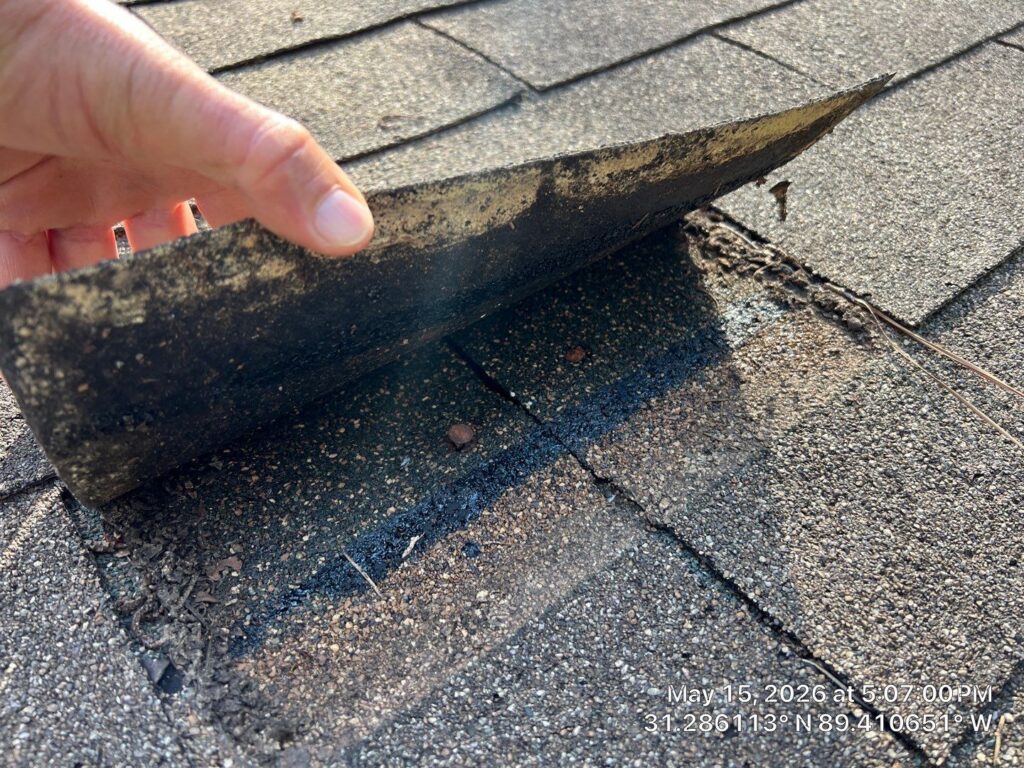
Asphalt shingles are one of the most common roofing materials and also one of the most commonly damaged by hail.
Hail damage often looks like:
Hail can create soft, bruised areas where the protective granules have been knocked away.
These spots may appear:
Think of it like a bruise on an apple—damage underneath may be worse than it appears on the surface.
Larger hailstones may crack shingles entirely, exposing the underlying material to moisture.
Cracked shingles can quickly lead to leaks if ignored.
Unlike normal aging, hail damage appears random. You may notice damage scattered across different areas of the roof rather than evenly worn shingles.
Yes—especially over time.
One of the biggest misconceptions homeowners have is assuming only large hail causes roof damage. In reality, the severity depends on several factors:
An older roof may suffer significant damage from hail that newer roofs withstand more easily.
It can be difficult to tell the difference between hail damage and regular aging.
This is one reason professional inspections matter. Insurance companies often look closely at whether damage was storm-related or simply due to age.
If a storm caused roof damage, homeowners insurance may help cover repairs or replacement.
However, before filing a claim, it’s smart to schedule a roof inspection.
Why?
Not every storm causes enough damage to justify a claim, and filing unnecessary claims can complicate future insurance matters.
A trusted roofing contractor can inspect the roof and help determine:
The short answer: don’t wait too long.
Even small hail damage can worsen over time. Moisture intrusion, heat, and future storms can turn a repairable issue into a full roof replacement.
If your area recently experienced hail, it’s best to schedule an inspection sooner rather than later—especially if neighbors are reporting roof damage.
If you suspect hail damage, getting a professional opinion can provide peace of mind.
At Cox Roofing, we help homeowners identify storm-related roof damage before it becomes a costly issue. Our team understands what hail damage looks like, what insurance adjusters often check for, and how to recommend the right next steps for your home.
Whether you need minor repairs or a full roof replacement, we’re here to help protect your biggest investment.
Think your roof may have hail damage? Contact Cox Roofing today to schedule a professional inspection.
Common signs include dented gutters, granules in gutters, bruised shingles, water stains inside the home, and visible roof damage after a storm.
Yes. Hail damage often weakens shingles before leaks begin. Damage may not become obvious until months later.
Even hail as small as 1 inch can damage shingles depending on roof age, wind speed, and storm severity.
In many cases, yes. Coverage depends on your policy and the extent of the storm damage.
It’s a smart idea—especially after severe weather. Hidden damage can worsen if left untreated.